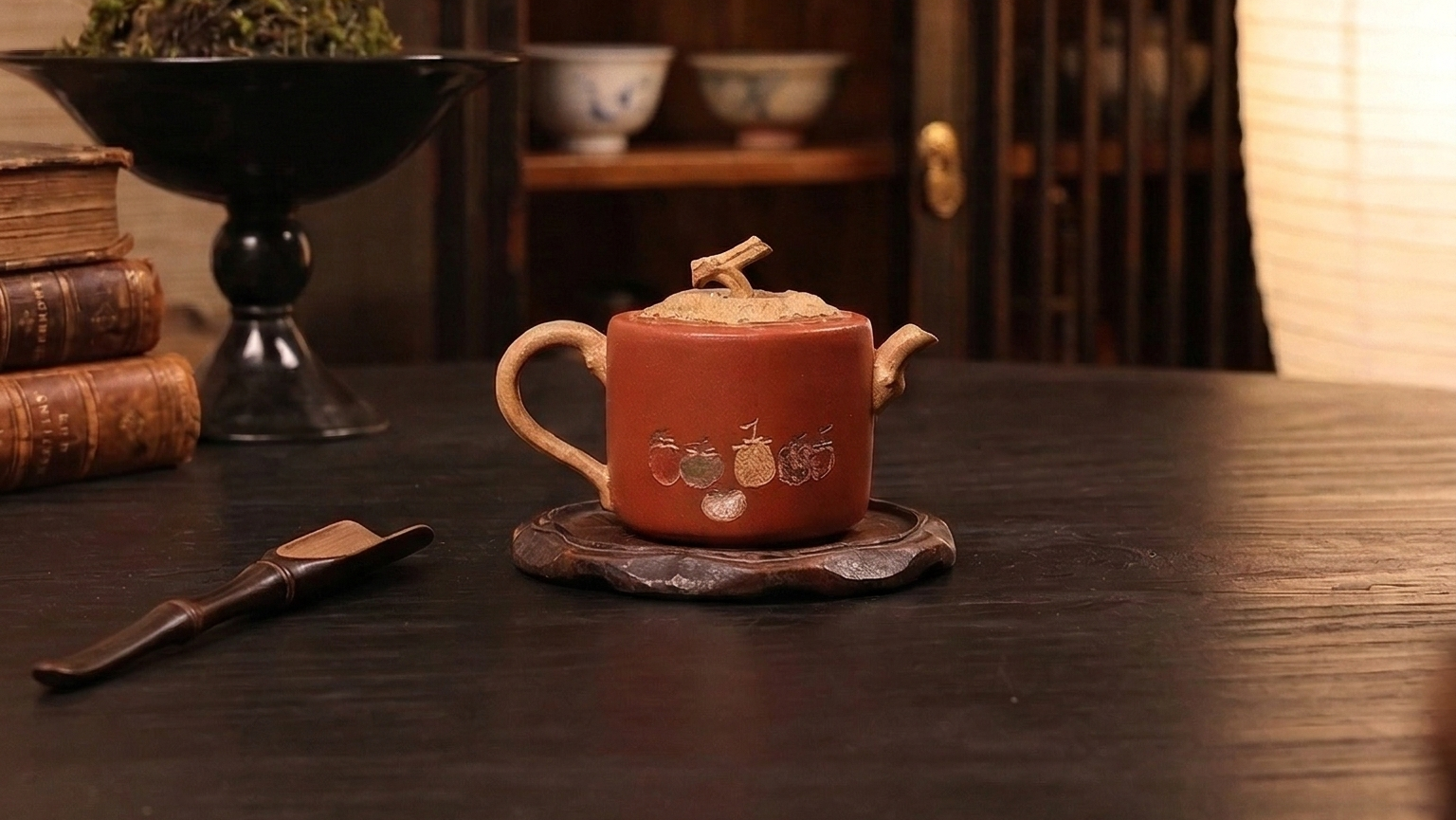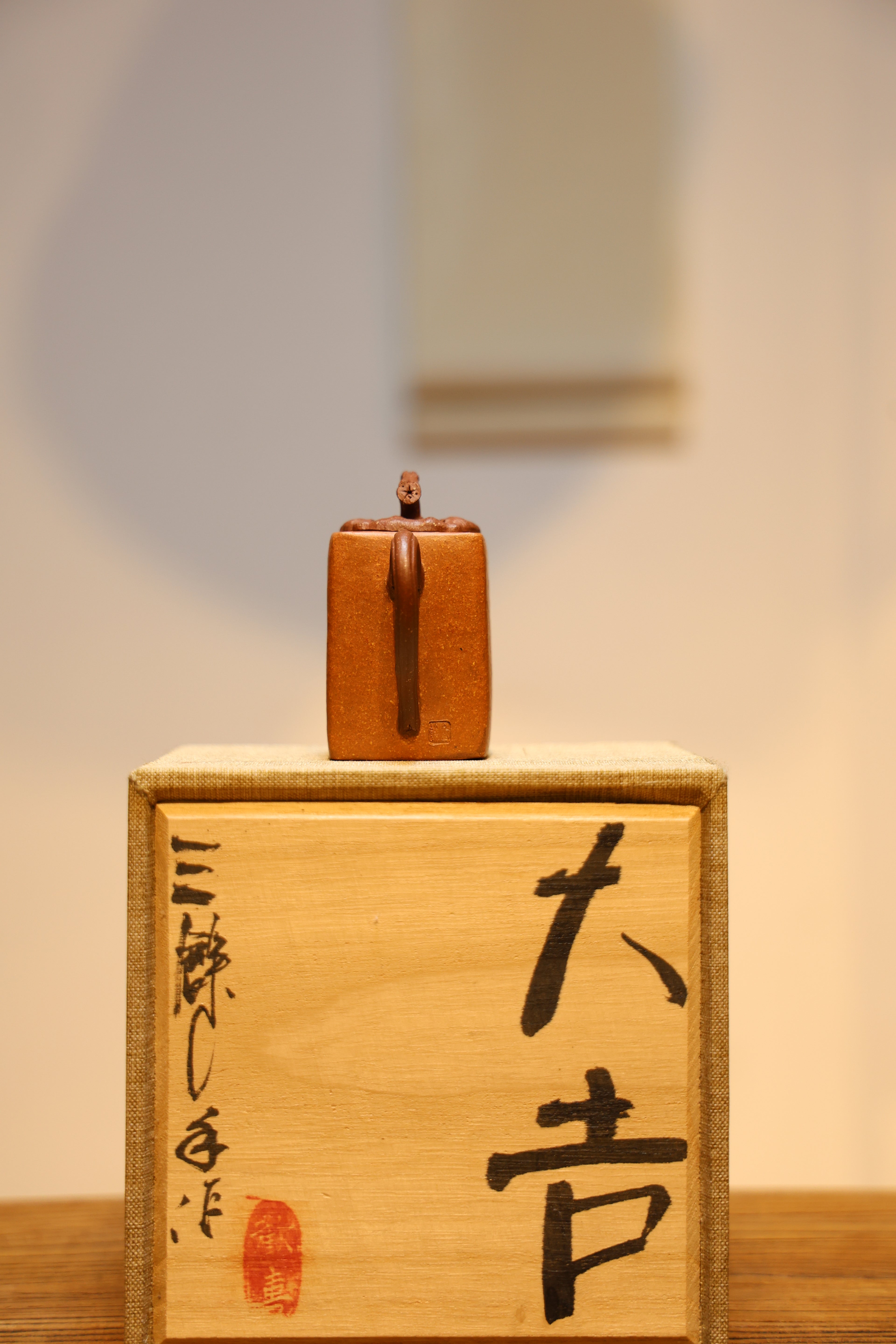
Periods in aficionados have yearned the exclusive allure of Yixing Zisha earthenware. Coming in the scenic town of Yixing, the territory, these jars are shaped from a unique and quarried purple clay celebrated for its outstanding thermal properties and facility to amplify the savor of beverages. Aside from their practical significance, Zisha teapots illustrate a solid heritage legacy, rendering them markedly coveted and a real gem for any zealous teapot collector.
Investigating Yixing Clay Pots
Famous teapots illustrate a distinctive fusion of history and experienced craftsmanship. Rooted in Yixing, Jiangsu Region of China, their narrative originates in the Ming Dynasty, although traces suggest earlier manifestations. The exceptional burgundy clay, called Zisha, found merely in the Yixing region, is the paramount component, contributing to the pots' remarkable heat stability and the manner they enhance the profile of tea. Generations of potters have improved techniques—often inherited through families—including designing the clay, applying ornate embellishments, and firing the pots at precise temperatures.- Initially, Yixing teapots were often adorned with simple designs.
- Thereafter, more intricate carvings and iconographic motifs became widespread.
- The baking procedure itself is a vital element, requiring extensive periods of competence.
Assembling Zisha Teapots: Important Insights
Embarking on a venture to procure Zisha vessels can be gratifying, but it’s crucial to appreciate what to search for. Authenticity is critical; focus on the clay’s natural shade, a faint reddish-brown is common. Examine the quality; genuine Zisha has a remarkable tactile sensation, often defined as slightly rugged. The profile should be balanced and consistent with authentic styles, while marks, if present, require close examination for truthfulness. Don’t shy away to consult with knowledgeable enthusiasts or respected sources – their expertise is irreplaceable.
Oriental Pots: Delving into the Legacy of original Pottery
Centuries have seen Yixing Yixing Clay teapots occupy a remarkable role in Chinese culture. These carefully constructed pots, sourced exclusively from the locale of Yixing, are famous for their unique tone, surface, and their ability to develop the bouquet of potions. Legions of collectors acquire antique Yixing teapots, valuing them greatly not only for their aesthetic appeal, but also for the story they embody.
Yixing Zisha Teapots: Distinguished Choice Sorts and Their Details
Yixing Ceramics teapots, developed in the traditional section of Yixing, the land, are acclaimed for their uncommon clay and high-quality brewing features. Throughout the numerous Zisha types, those kinds that are highly valued include Binzhou Purple Sand. Binzhou, known for its bold purple shade and sleek texture, delivers a moderate flavor. Duan Ni species, recognizable by its coppery color and a little grainy feel, is said to enhance tea’s heft. Lastly, Zhuni sort boasts an extraordinary scarlet tone and can impart a nice nuance. Each sort delivers a unique experience, making them distinctly desirable within drink enthusiasts.
Mastering Unique Earthenware Vessel
To unlock the capability of your Yixing pot, understanding the correct modus operandi is critical. These clay vessels, celebrated for their openness, will successively incorporate the essence of the tea you cook within them. Begin by purifying the pot thoroughly with hot water. Then, use only first-class broken leaf tea, as lower quality options can damage the premise’s delicate essence. Always allow the leaves to develop completely, and remember that with each preparation, your Yixing kettle will become more valued.
Caring for Your Precious Zisha Keepsake
Proper treatment for your Zisha container is essential to securing its character and esteem. Zisha clay, recognized for its unique tinge and feel, requires mindful handling. Never use harsh solutions, as these can damage the layer. After every use, rinse the pitcher with mild water and Yixing Zisha Teapot allow it to cool off completely.
- Eschew soaking the jar for extended durations.
- Sporadically use a soft towel to dust the exterior.
- Weigh applying a thin layer of food-grade lubricant inside the pitcher after drying, which can minimize staining.
Basics of Yixing Vessels
Yixing containers, originating from the Yixing sector in Jiangsu Province, part of China, are celebrated for their distinctive aspects. Crafted from the unique purple ground known as Zisha, these earthenware are prized by concoction enthusiasts worldwide. This introduction will concisely explain the core elements – covering classes of Zisha material, frequent shapes, and vital care suggestions. Understanding the origin of Yixing earthenware can expand your appreciation for this classic example of Eastern custom.
Technique of Eastern Teapots: Focusing on Zisha found in this city of Yixing
Zisha compound from Yixing represents the height of Yuan vessel design, showing a exclusive compound of raw beauty and valuable artistry. These celebrated pieces are honored for their rich color palettes, often spanning dark purples and brown hues to gentle greys and light beiges. The distinct mineral composition of the area’s Zisha ground imparts a defining texture and generates a satisfying aroma that elevates the total infusion experience, rendering them very desired collectibles and essential components of any serious tea.